Healthcare privacy compliant version control, with off-site backup.
Final part of a four-part series using local language models to classify 23 years of email.
In this part, we use the first-pass results as additional training data, and discover that doesn’t help.
Third part of a four-part series using local language models to classify 23 years of email.
In this part, we train the SVC, calibrate its confidence thresholds, and discover that more than half the emails end up going to the language model anyway.
Second part of a four-part series using local language models to classify 23 years of email.
In this part, we extract data, generate text embeddings, and flirt briefly with unsupervised learning.
First part of a four-part series using classifer and local language models to sort 23 years of email.
In this part, we outline the problem and some of the tools used to solve it.
The server lights are on, but nobody is home.
Using ggPlot without additional packages to cleanly plot Bayesian intervals on Beta distributions, including the Highest-Density Interval and the Region of Practical Equivalence.
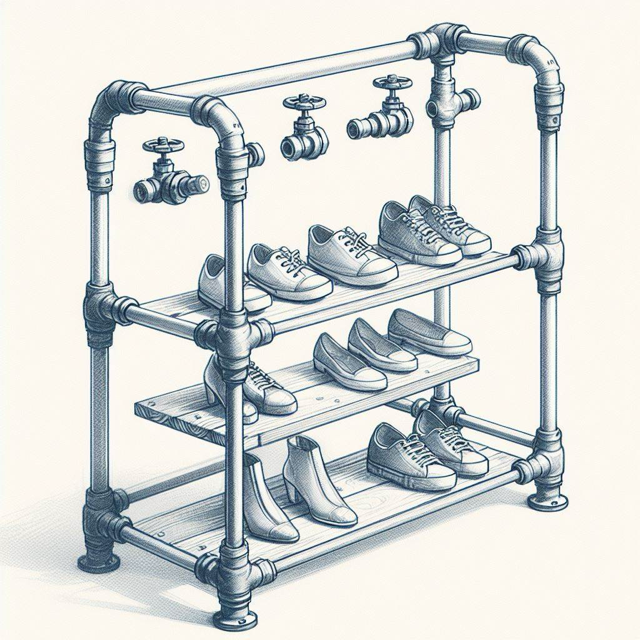
Better than IKEA.
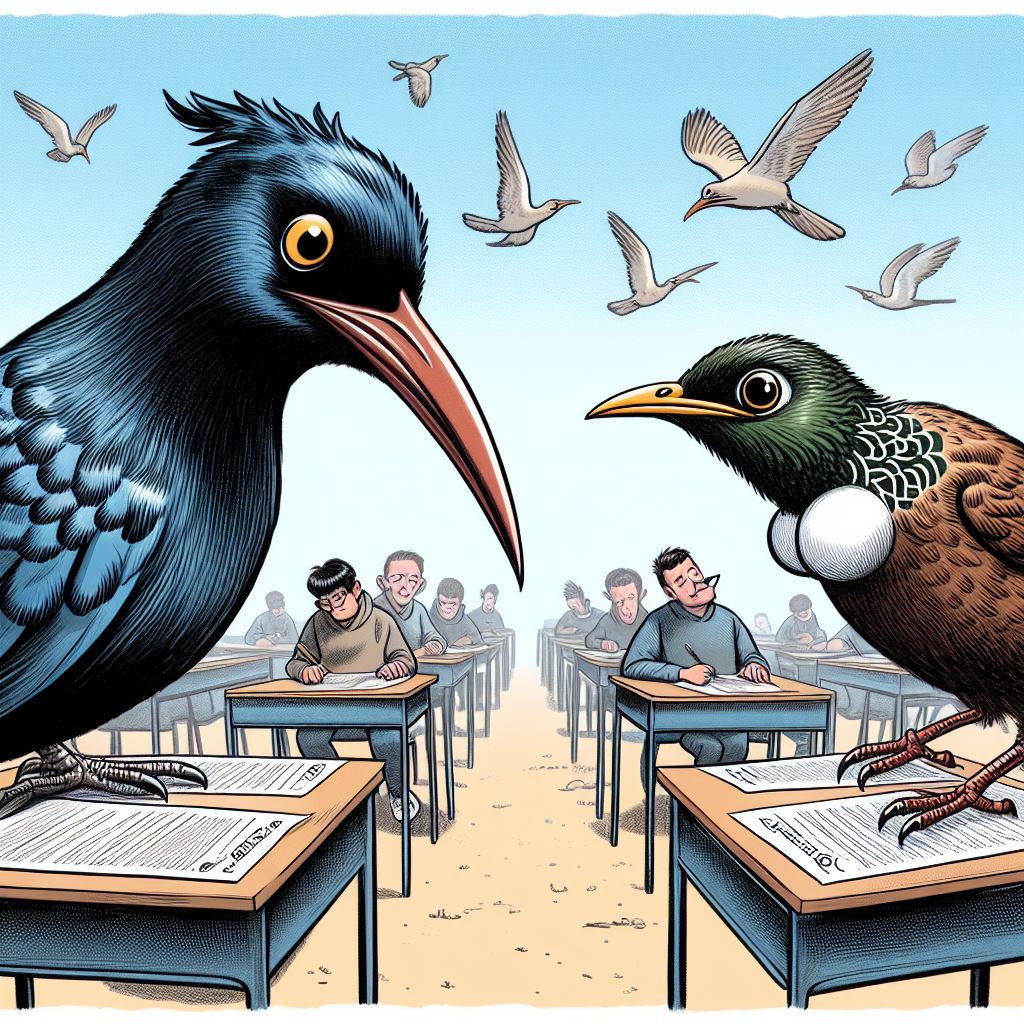
Thoughts on how the assessment process of the CICM Fellowship Exam could be improved, developed from ideas formed during the process of exam preparation.
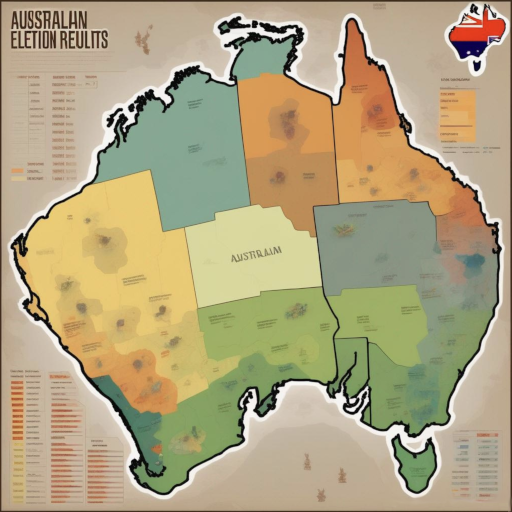
Final part a three-part series looking at how the composition of the Australian Federal parliament might vary under different electoral systems.
In this part, we conduct a comparative analysis of each voting system.
Part two of a three-part series looking at how the composition of the Australian Federal parliament might vary under different electorate systems.
In this part, we simulate the makeup of the House of Representatives after the 2022 federal election under three different voting systems.
First part of a three-part series looking at how the composition of the Australian Federal parliament might vary under different electoral systems.
This part provides an overview of the electoral systems under review and preparing the data for analysis.
What are the best starting words in Wordle?
An approach to optimise the opening gambit, using R.